The History and Culture of the Maldives A Traveler’s Guide
- Mar 1, 2025
- 4 min read

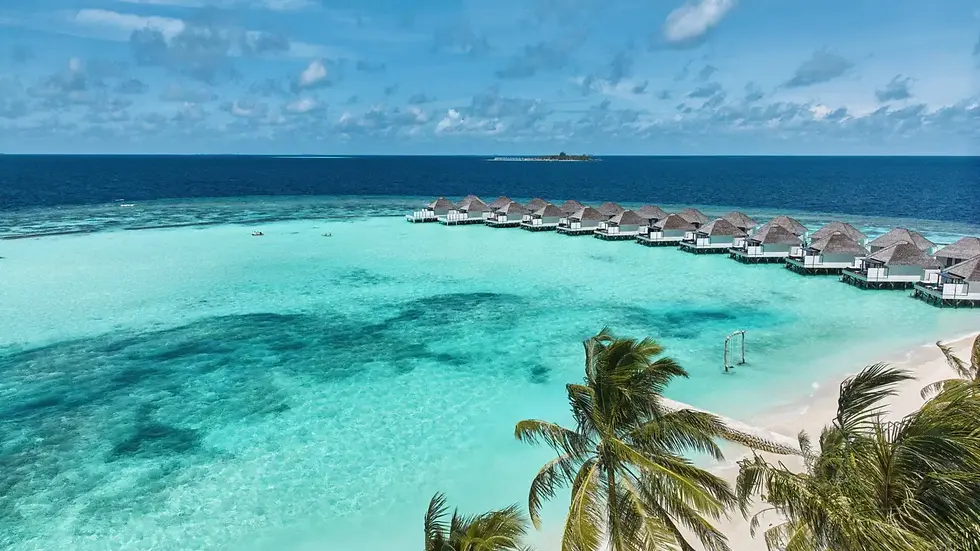
The Maldives is more than just a paradise of pristine beaches and luxurious overwater villas. Beyond its breathtaking landscapes, this island nation boasts a rich history and a vibrant culture influenced by centuries of trade, migration, and tradition. For travelers looking to explore beyond the postcard-perfect scenery, diving into the Maldives' history and heritage offers a deeper appreciation of this tropical haven. Whether you're planning a Maldives trip for leisure or adventure, understanding its past and cultural uniqueness will enrich your experience.
The Rich History of the Maldives
The Maldives has a fascinating history that dates back over 2,500 years. The first settlers are believed to have been Dravidian people from the Indian subcontinent, followed by Arab traders and Buddhist influences.
Early Settlements and Buddhist Era
The earliest known inhabitants of the Maldives were seafarers and traders from India and Sri Lanka. Around the 3rd century BC, Buddhism became the dominant religion, heavily influencing the Maldivian way of life. Many ancient Buddhist stupas and relics have been discovered on various islands, indicating a flourishing civilization before the arrival of Islam. If you’re visiting the Maldives on a cultural tour, you may find remnants of this era in places like the National Museum in Malé.
Conversion to Islam
A major turning point in Maldivian history occurred in 1153 AD when the islands converted to Islam under the influence of Moroccan scholar Abu al-Barakat. Today, Islam remains the state religion, shaping Maldivian customs, laws, and daily life. Tourists should be mindful of cultural etiquette, especially when visiting inhabited local islands outside of resorts. Many Maldives tour packages include visits to historical sites such as the Old Friday Mosque, which showcases intricate coral-stone architecture from this era.
Colonial Influence and Independence
Despite its remote location, the Maldives attracted the interest of colonial powers, including the Portuguese, Dutch, and British. The Portuguese briefly occupied the islands in the 16th century before being expelled. The Maldives later became a British protectorate in 1887, gaining full independence in 1965. Understanding this colonial past adds depth to the experience of exploring Malé, where remnants of British-era structures still stand.
Maldivian Culture and Traditions
A Maldives tour package isn’t complete without experiencing the country’s rich cultural traditions. The Maldivian way of life is deeply influenced by its island geography, seafaring heritage, and Islamic faith.
Language and Communication
The official language of the Maldives is Dhivehi, a unique Indo-Aryan language with influences from Arabic, Hindi, and Tamil. While English is widely spoken in resorts and tourist areas, learning a few basic Dhivehi phrases can enhance your interaction with locals.
Maldivian Music and Dance
One of the most vibrant aspects of Maldivian culture is its traditional music and dance. The most famous performance is Bodu Beru, which means "Big Drum." This rhythmic and energetic dance, influenced by African and Arab cultures, is performed during special celebrations. If you're traveling on a Maldives tour package from India, you may find its beats familiar, as it shares similarities with Indian and Sri Lankan drumming traditions.
Traditional Maldivian Cuisine
Food is an integral part of Maldivian culture, with dishes heavily based on seafood, coconut, and rice. Some must-try dishes include:
Mas Huni – A breakfast dish made of tuna, coconut, onion, and chili, served with roshi (flatbread).
Garudhiya – A flavorful fish soup served with rice, lime, and chili.
Fihunu Mas – Grilled fish marinated in Maldivian spices.
Many resorts offer authentic Maldivian cuisine, but for an authentic experience, visit a local café (known as hotaa) on an inhabited island.
Local Handicrafts and Souvenirs
The Maldives has a rich tradition of handicrafts, which make for excellent souvenirs. Popular crafts include:
Lacquered wooden ornaments – Handmade in Thulhaadhoo Island.
Mats (Thundu Kunaa) – Woven from natural fibers.
Hand-carved coral and coconut shell artifacts – Showcasing intricate designs.
Festivals and Celebrations
Maldivians celebrate various religious and national festivals. If you plan your Maldives trip around these events, you’ll witness grand celebrations. Key festivals include:
Ramadan (Roadha Mas) – A sacred Islamic month marked by fasting and nightly feasts.
Independence Day (July 26th) – Featuring parades and traditional performances.
National Day (Qaumee Dhuvas) – Commemorating the victory over Portuguese rule.
Exploring the Cultural Side of the Maldives
Most tourists visit the Maldives for its stunning beaches, but a deeper cultural experience awaits those who venture beyond the resorts. Here are some ways to explore Maldivian history and culture:
Visit Malé – The Cultural Heart of the Maldives
The capital city, Malé, offers a stark contrast to the tranquil island resorts. A day trip to Malé should include:
The National Museum – Showcasing Maldivian artifacts, ancient scripts, and royal belongings.
Old Friday Mosque (Hukuru Miskiy) – A historic mosque made of coral stone, dating back to 1656.
Local Markets – Bustling with fresh seafood, tropical fruits, and handcrafted goods.
Experience Local Island Life
Instead of staying in a resort, opt for a Maldives tour package from India that includes guesthouses on inhabited islands like Maafushi or Dhigurah. This allows you to interact with locals, taste authentic Maldivian food, and experience traditional ways of life.
Diving into Underwater Heritage
Apart from natural marine beauty, the Maldives has historic shipwrecks, some dating back to the colonial era. Diving enthusiasts can explore sites like the British Loyalty Wreck near Addu Atoll, which tells stories of the country’s maritime history.
Conclusion
The Maldives is not just about luxury resorts and stunning beaches. It is a country rich in history, traditions, and a unique way of life that blends South Asian, Middle Eastern, and African influences. Whether you're looking for a Maldives tour package for relaxation or adventure, taking time to explore its cultural and historical aspects will make your trip even more rewarding. From the vibrant streets of Malé to the rhythmic beats of Bodu Beru, every moment spent immersing yourself in Maldivian culture adds depth to your travel experience.

Comments